

Spectres of the Past: My Acrylic Painting of The Lion Tower at Warkworth Castle, Northumberland, UK22/9/2024
I am pleased to share one of my recent acrylic paintings entitled 'Keeper of The Castle'. This piece showcases the 'Lion Tower' located at Warkworth Castle in Northumberland, UK.
In this blog post, I provide historical insights related to the subject of my painting, describe the creative process involved in its development, and discuss the reasons behind my choice of this captivating theme. Additionally, this painting is currently available for purchase through my Art Store.
Nestled along the banks of the River Coquet, Warkworth Castle stands as a silent sentinel—a testament to centuries past. Its ancient stones echo with whispers of battles, love, and intrigue.
And there, on the little stair, a Jackdaw perches—a spectral observer bridging the gap between now and then. About 'Keeper of the Castle' Acrylic Painting of Warkworth Castle
As an artist with a focus on birds, I find myself fascinated by the rich history embodied in locations such as Warkworth Castle. The feet that have walked those steps through the centuries, and the wildlife that has traversed those grounds over time, have both played a role. It is this intertwining of history and nature that inspired the creation of this specific composition. You can read more about the creation of this painting by following this link.
My goal is not only to express texture through the brushstrokes but also to incorporate detailed textures into my paintings by enriching compositions that require such intricacy. The ancient stone steps, weathered by time, were depicted with an added layer of textured medium. This technique allows you to not only see the stonework within the paint but also to perceive it through the painting's tactile, raised surfaces.
The Enigmatic Jackdaw
And then there’s the Jackdaw, a bird steeped in symbolism. Intelligent, curious, and mysterious, it perches on the stair, its coal-black feathers catching the light. While the bird is the central figure in the painting, the artwork primarily depicts the history of the castle and its adjacent structures. The Jackdaw appeared to trail me as I took photographs of the weathered stone steps and the window, thus becoming a symbol of a ghostly spectre of bygone days.
A Brief History of Warkworth Castle
Warkworth Castle, with its imposing keep and curtain walls, stands as a medieval masterpiece, perched atop a hill overlooking the River Coquet. It is one of northern England’s largest and most impressive castles. The castle’s origins are veiled in antiquity, possibly dating back to the Iron Age. The exact founding date remains uncertain, but its current form, including the 'Lion Tower', the subject of my latest acrylic painting, emerged in the 14th century under the patronage of the formidable Percy family.
Overview of the Lion Tower and its Historical Significance
The Lion Tower at Warkworth Castle boasts a captivating history. Constructed circa 1480 by the 4th Earl of Northumberland, it functioned as the principal entry to the newly established bailey residence. The tower is distinguished by its remarkable heraldic sculptures, featuring a striking lion that represents the Percy family's power and prestige. The Lion Tower was intended as a majestic gateway, leading to the great hall where the household would convene. This hall was a 15th-century renovation of a pre-existing edifice dating back to around 1200. The architectural and ornamental features of the tower were designed to display the family's dynastic achievements and elevated status.
For those fascinated by the history of Warkworth Castle in Northumberland, a valuable video from the YouTube channel Castles and Legends. has been included. Spanning 12 minutes, it delves into the captivating history of the castle.
" Warkworth Castle, a once majestic fortress steeped in drama and history located in Northumberland, England. Its story is one of power, betrayal, and enduring legacy. "
Did You Know?
Northumberland is renowned for its impressive collection of over 70 castle sites, the highest in the UK. This abundance is a testament to the region's rich history and its strategic position near the Scottish border, which has led to the construction of numerous fortifications over the years.
If you are looking to purchase this painting, please contact me direct. You can also discover more original paintings featuring the birds and wildlife of Northumberland, alongside pieces on various other subjects. Consider dropping by to see if something catches your eye, particularly with Christmas on the horizon.
To commission a personal portrait, please visit my Commissions page for more information. For a custom pet portrait, explore my work on the Pet Portraits page. Feel free to share your stories about your own trip to Warkworth Castle in the comments below.
0 Comments
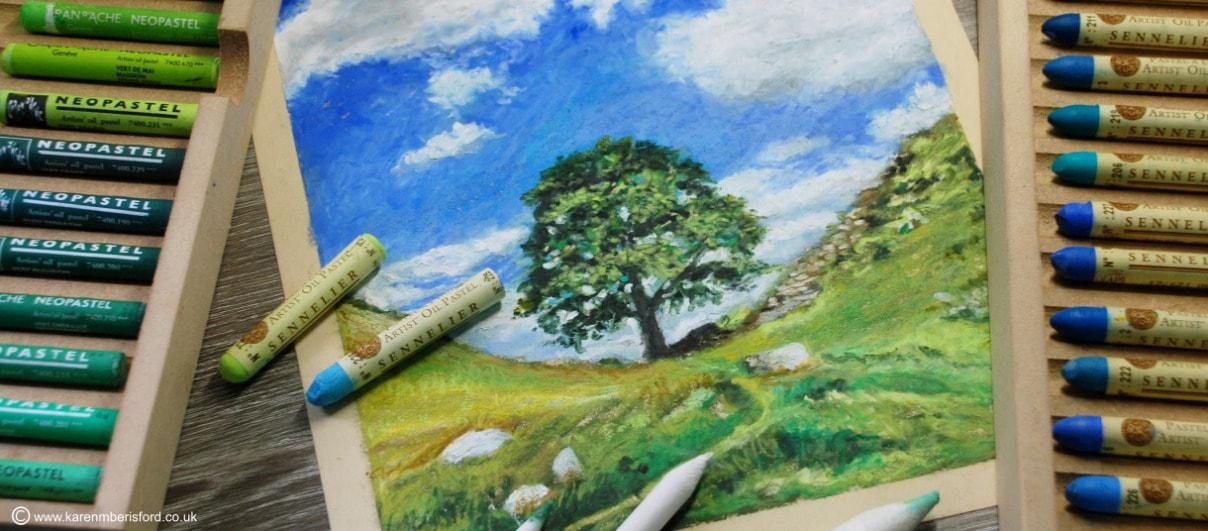
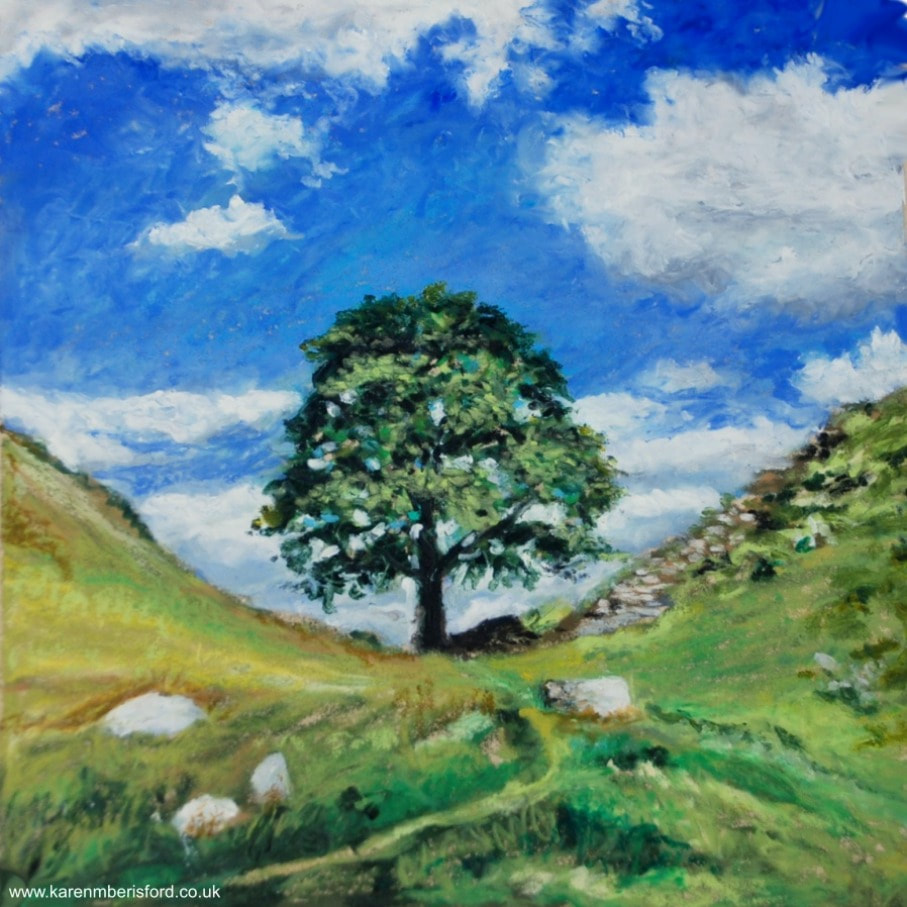
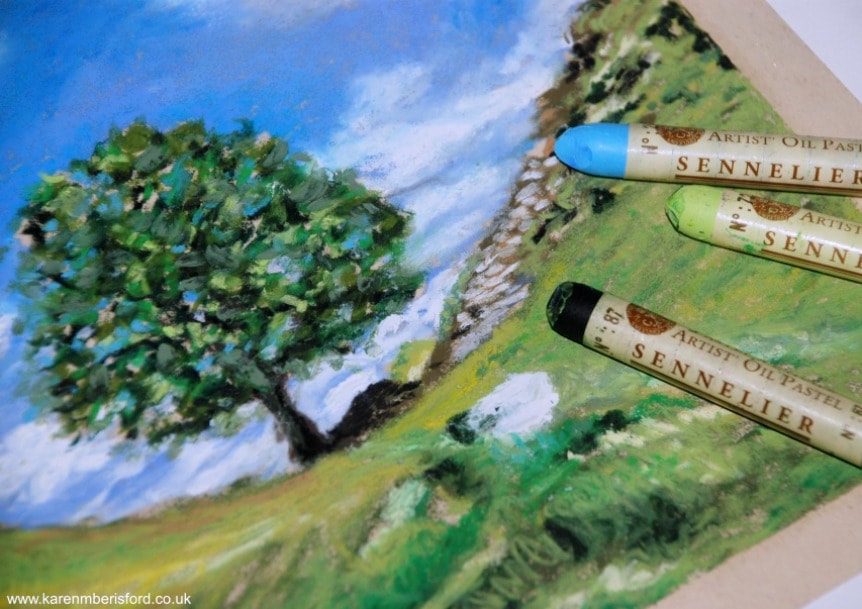
I recently finished an oil pastel painting of the famous 'Sycamore Gap' tree in Northumberland. This tree has been an iconic landmark in the landscape since the 19th century, as stated by the National Trust, the organisation that owns the land where it stands.
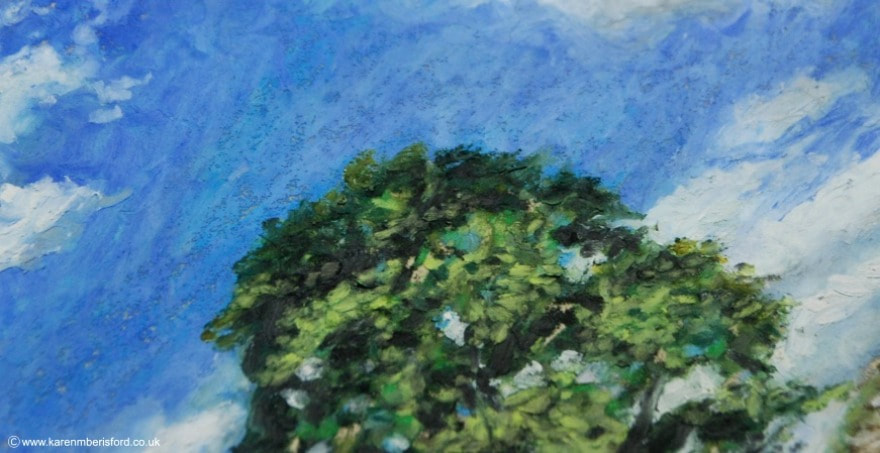
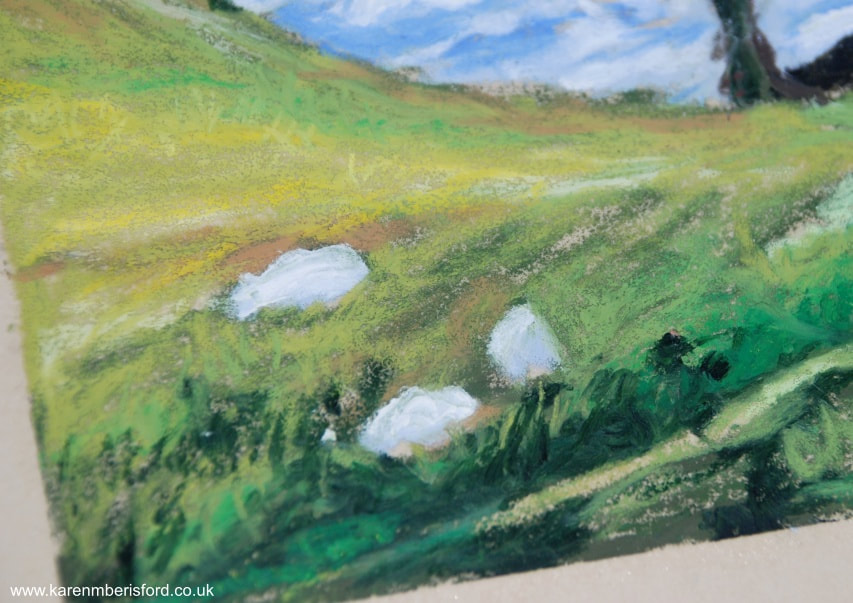
What subject could be more fitting for an oil pastel painting than the iconic Sycamore Tree beside Hadrian's Wall in Northumberland National Park? The highly abrasive Fisher400 paper enhances the application's effectiveness, creating subtle peaks of texture. The creamy texture of the oil pastels ensures the pigment spreads smoothly and quickly, culminating in a stunning impasto effect.
In this painting, my intention is to apply pastels in a deliberately loose and patchy manner, offering a unique interpretation of the subject. This method gives the artwork a distinct quality that sets it apart from my other pieces created with acrylics and coloured pencils. With oil pastels, I find I can express myself more freely, while still pursuing a degree of realism that presents a challenge, which is my primary goal in any artwork I complete.
As is the case with any form of art, the ultimate judgment of the finish of a piece lies with the viewer. Personally, oil pastels, a relatively recent addition to my artistic repertoire, rank among my preferred mediums due to their versatile manipulability and capacity for expressiveness, especially when working on larger canvases. The drawback of oil pastel artwork is its tendency to attract debris, necessitating a protective cover during non-working periods. While they mimic the polished look of oil paintings, oil pastel works should invariably be displayed behind glass when framed.
A little background on the tree and surrounding area
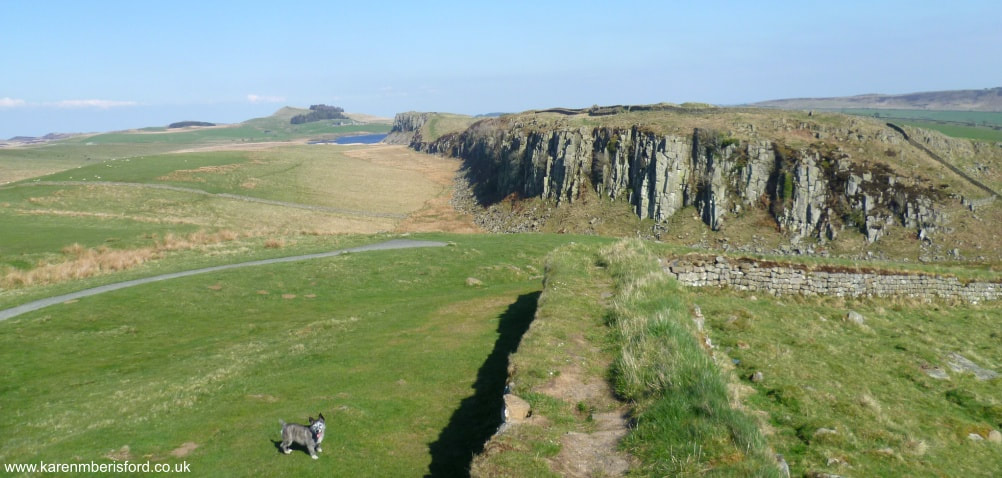
The Sycamore Gap Tree, also known as the Robin Hood Tree, is a popular attraction near Crag Lough in Northumberland, England. It stands in a dramatic dip, created by glacial meltwater, next to Hadrian's Wall and is situated within the landscape, surrounded by dramatic cliffs and rising walls. The tree gained its alternative name from its appearance in the 1991 film Robin Hood: Prince of Thieves and the music video for Bryan Adams 'Everything I do, I do it for you' a song from the film's soundtrack. In 2016, it won the England Tree of the Year award. The National Trust owns the wall and the land around the tree, a favourite spot for tourists and photographers. It is visible from the nearby Military Road and is considered one of the most photographed trees in the country, possibly the most photographed point, even in all of Northumberland National Park.
The Felling of the Sycamore Gap Tree
On the 28th of September 2023, during the chaos of Storm Agnes, the Sycamore Gap tree was intentionally felled in an act of vandalism, whilst under the influence of alcohol. In just a few minutes, the tree that had stood for nearly 150 years was cut through with a chainsaw, while the act was recorded on a phone. The felling also caused damage to the section of Hadrian’s Wall where it had stood, adding to the seriousness of the offence. After a lengthy investigation and trial, the two men responsible were convicted of criminal damage both to the tree and to the ancient wall, and each received prison terms of more than four years.
New growth and preservation efforts
The site itself is showing signs of resilience, with the stump sending out fresh shoots. The National Trust has also been cultivating saplings grown from the tree’s seeds, with the hope that one day they might return to the Gap. Meanwhile, a large section of the trunk has been saved and moved by crane to be displayed at the nearby visitor centre, giving people a chance to reflect on both the loss and the enduring legacy of the iconic tree.
|
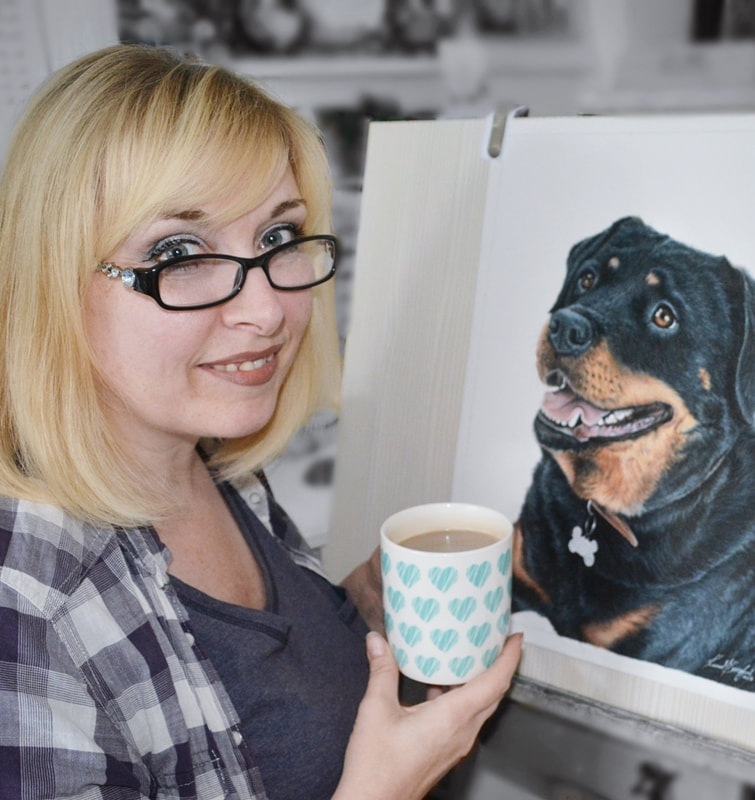
AuthorKaren M Berisford Choose tags below to search the news blog directory, or quickly find each blog through the News Blog Archives page.
Categories
All
Archives
July 2025
|
|
|
Looking for something specific?
|
|
|
Images and text within this website are Copyright of Karen M Berisford 2010 - 2026
No content should be used, copied or distributed in any way without express consent from Karen M Berisford


