


|
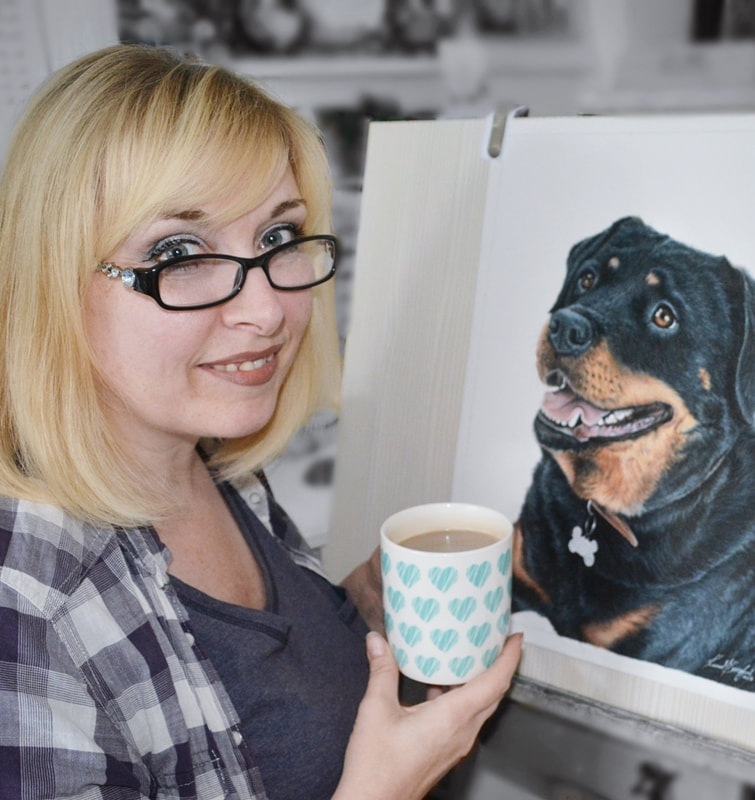
When I first wrote this article, it marked three decades of working with coloured pencils. Time has moved on, and I now look back on over forty years with the medium. Four decades of practice have given me the chance to test countless tools, papers, and techniques, and to refine my approach through both successes and mistakes. This update brings those extra years of experience into focus, sharing what has endured, what has changed, and the lessons I would pass on to anyone serious about coloured pencil art.
Alongside my own practice, I also run Step by Step Art, a website created for artists looking for practical help and advice. While it leans strongly towards coloured pencils, it also offers articles covering graphite pencils, soft pastels, oil pastels and acrylics. It’s designed as a resource for anyone wanting to explore different mediums with clear, approachable guidance.
As I look ahead, I’m excited to continue exploring new materials and sharing what I learn, both here and through Step by Step Art, while remembering that the most valuable lessons are often the simplest ones: to slow down, to observe closely, and to enjoy the process.
Coloured pencils have been my constant companion for more than forty years. The tools have evolved, the papers have diversified, and my own methods have matured, but the fundamentals remain the same: patience, experimentation, and respect for the medium. Every drawing is still a challenge and a joy, and that is what keeps me returning to the pencils day after day.
I dedicate a significant portion of my time to creating custom made portraits for clients both in the UK and internationally, in addition to running my Step by Step Art website that focus on a range of mediums such as pastels, paints and graphite pencils, as well as coloured pencils. About the art products I use
For my coloured pencil artwork, I consistently use heavyweight, acid-free, and archival paper. A weight of around 300gsm is ideal as it accommodates multiple layers and guarantees durability. Initially, I exclusively utilised tonal papers, particularly the grey and tan tones, because they provide a neutral starting point that enhances both highlights and shadows. Black paper is also a favourite, as it contributes to an atmospheric finish and necessitates fewer layers for a significant effect. For larger works, I opt for a robust heavyweight paper like Colourfix, which is more widely used by pastel artists.
This Snow Leopard was created on black Colourfix paper, known for its texture and typically reserved for pastel works. For this drawing, I used a variety of coloured pencils from ranges such as Karismacolor, Derwent Coloursoft, and Caran d'Ache Luminance.
I find Colourfix paper to be a fascinating medium for coloured pencils. While the texture of the paper limits the number of layers I can apply compared to standard cotton papers, a few layers are enough to attain a comparable level of realism. It was delightful to work on this piece, and although its larger dimensions of 20" x 30" exceed my usual scope, I enjoyed the challenge.
Coarse paper may cause pencils to wear down more rapidly, especially those with softer cores like Prismacolor. However, its textured surface holds pigment well, reducing the need for multiple layers to achieve similar levels of detail. Moreover, it allows for the incorporation of mixed media, like acrylics. Adapting to different paper textures can be a challenge if you're accustomed to smooth surfaces. I would recommend that you experiment with the paper before committing your artwork to it.
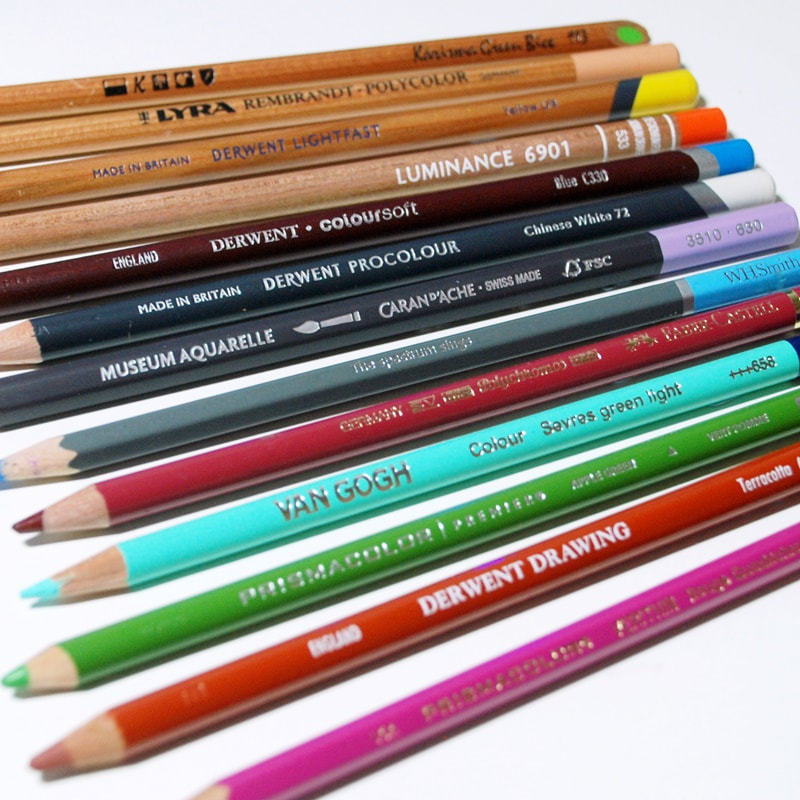
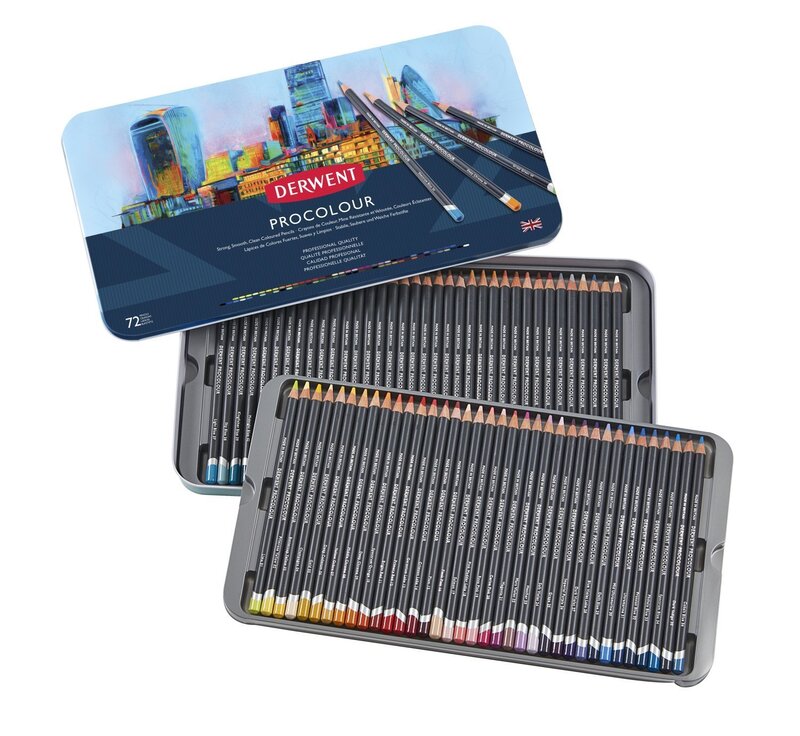
Previously, I owned a vast collection of coloured pencils, many of them lacked the quality of todays brands and currently use just two brands: Caran d'Ache Luminance and Derwent Coloursoft. The Luminance pencils exhibit a slightly firm texture, making them well-suited for intricate details. In contrast, the Derwent Coloursoft pencils feature softer cores, making them ideal for creating soft backgrounds and layered tones.
TIP: Before investing in a new range of pencils, I always test the black and white ones first. This allows me to assess their opacity, application, and how they compare against other favoured brands. If they meet my standards, I'll either purchase individual pencils from open stock, choosing colours I frequently use, or opt for a starter set. The white pencil holds significant importance in my artwork as it must provide the luminosity needed for catchlights and highlights. Additionally, it serves as a tool to lighten other colours, thereby expanding the range of my colour palette.
Free Tutorials: Learn Realistic Drawing Techniques with Coloured Pencils
The concluding section of this article provides a brief overview of how I crafted this Snow Leopard's eye using coloured pencils on black Art Spectrum Colourfix paper. I maintain a specialised website featuring this tutorial, among others, covering various subjects and mediums for artists to explore. To access the page and attempt the tutorial, click on the image above.
I'd love to hear about your own individual insights and approaches to work. In the comments section, please share your own preferred products that contribute to your most successful outcomes.
0 Comments
|
AuthorKaren M Berisford Choose tags below to search the news blog directory, or quickly find each blog through the News Blog Archives page.
Categories
All
Archives
July 2025
|
|
|
Looking for something specific?
|
|
|
Images and text within this website are Copyright of Karen M Berisford 2010 - 2026
No content should be used, copied or distributed in any way without express consent from Karen M Berisford


