
|
I recently finished an oil pastel painting of the famous 'Sycamore Gap' tree in Northumberland. This tree has been an iconic landmark in the landscape since the 19th century, as stated by the National Trust, the organisation that owns the land where it stands.
What subject could be more fitting for an oil pastel painting than the iconic Sycamore Tree beside Hadrian's Wall in Northumberland National Park? The highly abrasive Fisher400 paper enhances the application's effectiveness, creating subtle peaks of texture. The creamy texture of the oil pastels ensures the pigment spreads smoothly and quickly, culminating in a stunning impasto effect.
In this painting, my intention is to apply pastels in a deliberately loose and patchy manner, offering a unique interpretation of the subject. This method gives the artwork a distinct quality that sets it apart from my other pieces created with acrylics and coloured pencils. With oil pastels, I find I can express myself more freely, while still pursuing a degree of realism that presents a challenge, which is my primary goal in any artwork I complete.
As is the case with any form of art, the ultimate judgment of the finish of a piece lies with the viewer. Personally, oil pastels, a relatively recent addition to my artistic repertoire, rank among my preferred mediums due to their versatile manipulability and capacity for expressiveness, especially when working on larger canvases. The drawback of oil pastel artwork is its tendency to attract debris, necessitating a protective cover during non-working periods. While they mimic the polished look of oil paintings, oil pastel works should invariably be displayed behind glass when framed.
A little background on the tree and surrounding area
The Sycamore Gap Tree, also known as the Robin Hood Tree, is a popular attraction near Crag Lough in Northumberland, England. It stands in a dramatic dip, created by glacial meltwater, next to Hadrian's Wall and is situated within the landscape, surrounded by dramatic cliffs and rising walls. The tree gained its alternative name from its appearance in the 1991 film Robin Hood: Prince of Thieves and the music video for Bryan Adams 'Everything I do, I do it for you' a song from the film's soundtrack. In 2016, it won the England Tree of the Year award. The National Trust owns the wall and the land around the tree, a favourite spot for tourists and photographers. It is visible from the nearby Military Road and is considered one of the most photographed trees in the country, possibly the most photographed point, even in all of Northumberland National Park.
The Felling of the Sycamore Gap Tree
On the 28th of September 2023, during the chaos of Storm Agnes, the Sycamore Gap tree was intentionally felled in an act of vandalism, whilst under the influence of alcohol. In just a few minutes, the tree that had stood for nearly 150 years was cut through with a chainsaw, while the act was recorded on a phone. The felling also caused damage to the section of Hadrian’s Wall where it had stood, adding to the seriousness of the offence. After a lengthy investigation and trial, the two men responsible were convicted of criminal damage both to the tree and to the ancient wall, and each received prison terms of more than four years.
New growth and preservation efforts
The site itself is showing signs of resilience, with the stump sending out fresh shoots. The National Trust has also been cultivating saplings grown from the tree’s seeds, with the hope that one day they might return to the Gap. Meanwhile, a large section of the trunk has been saved and moved by crane to be displayed at the nearby visitor centre, giving people a chance to reflect on both the loss and the enduring legacy of the iconic tree.
0 Comments
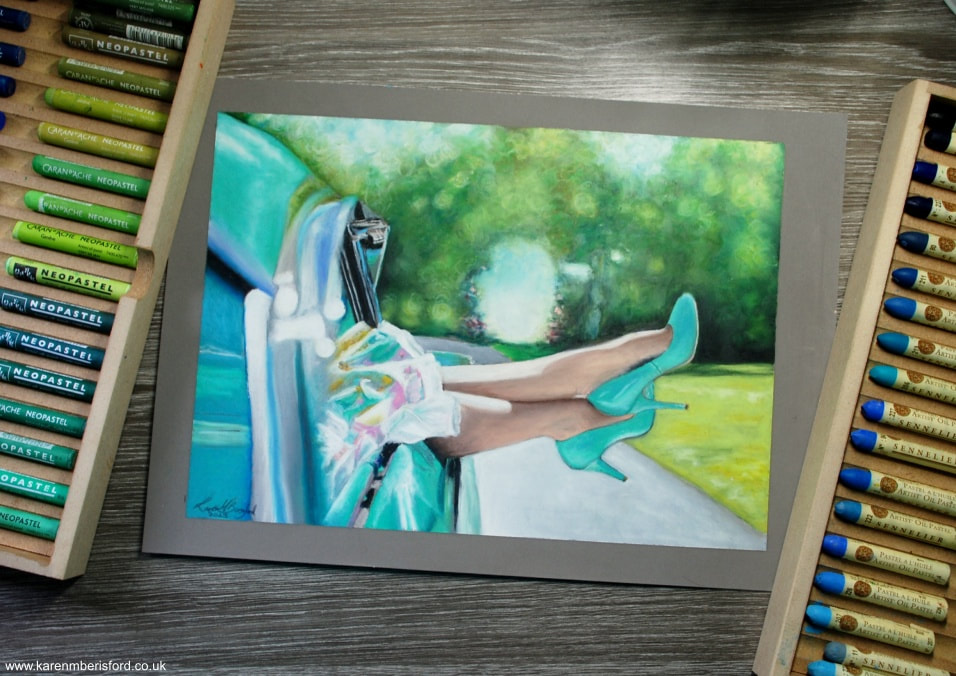
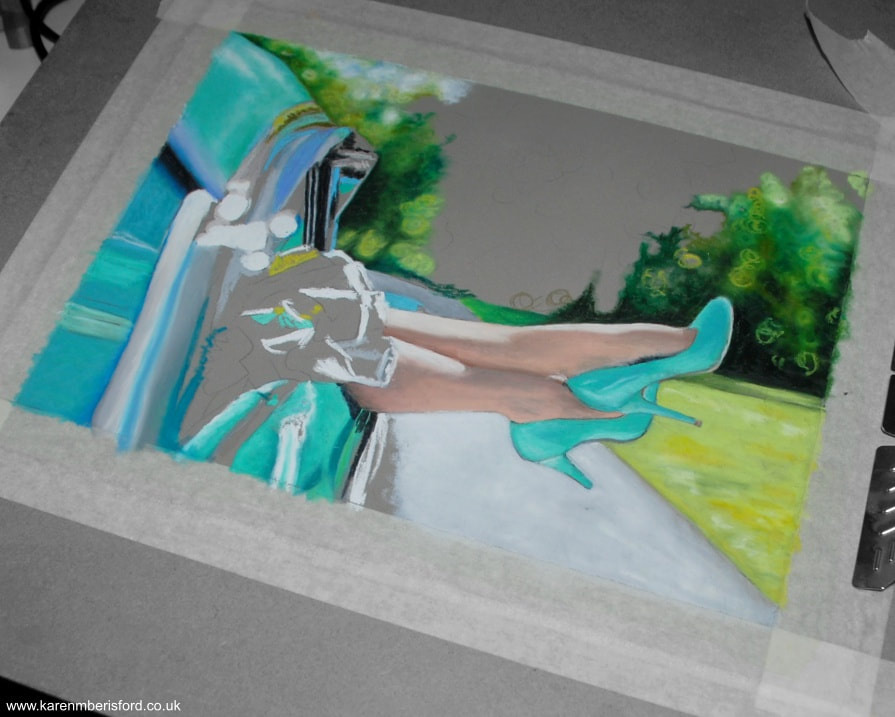
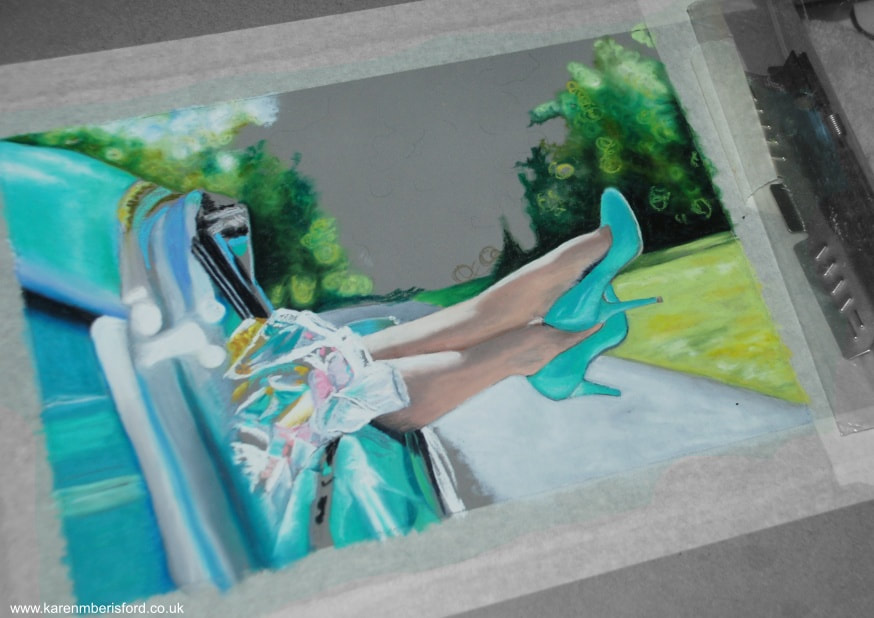
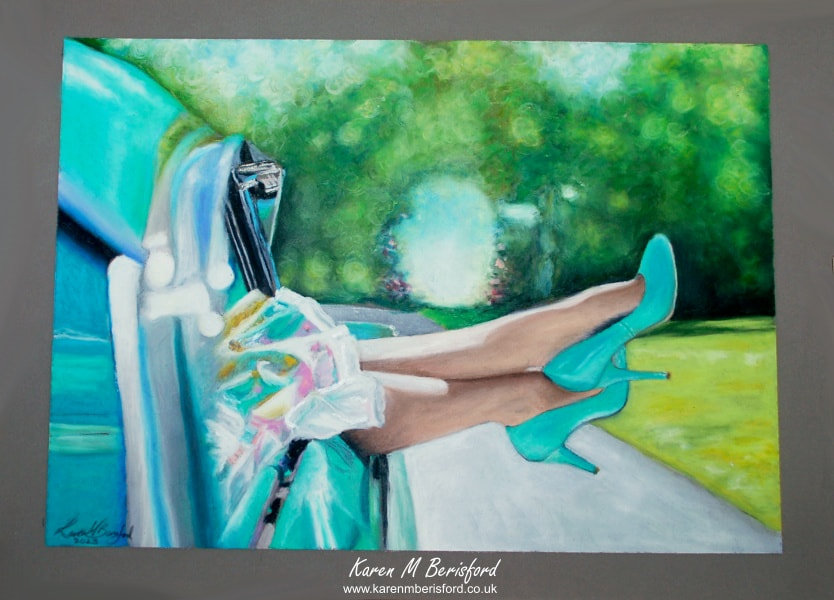
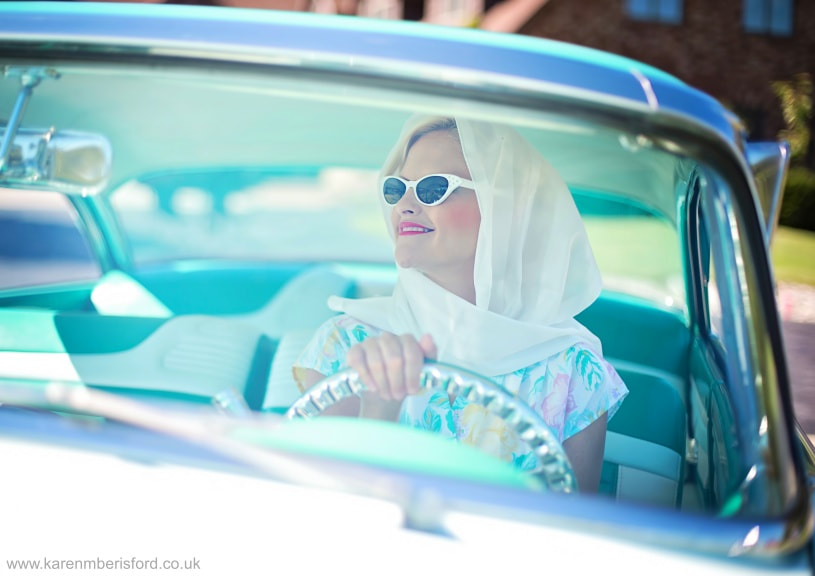
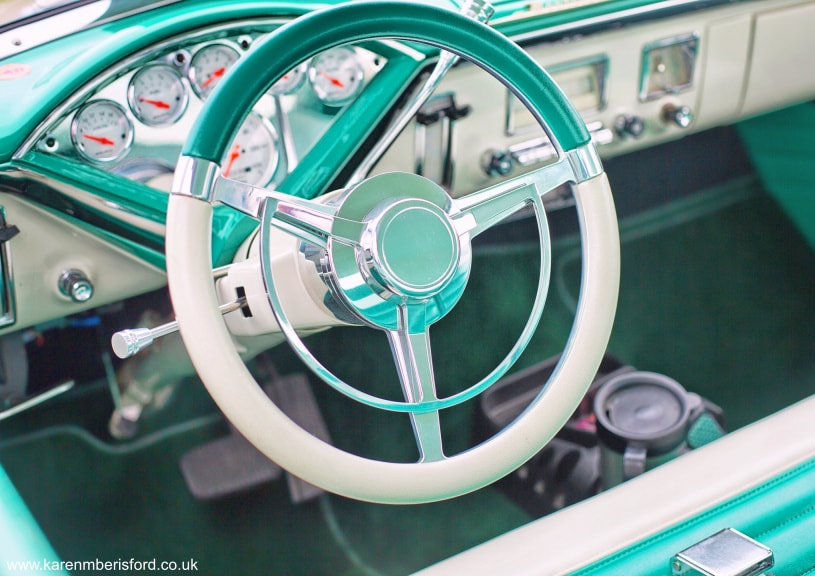
I’m so excited to share the first piece from my new oil pastel series. In this blog post, I’ll be taking you through the creative process behind this painting, talking more about the medium, and introducing the new portraits I'll be offering. The series itself features a true classic: a vibrant, bright green 1956 Mercury Montclair, with a female driver in authentic 1950s attire to complete the vintage scene.
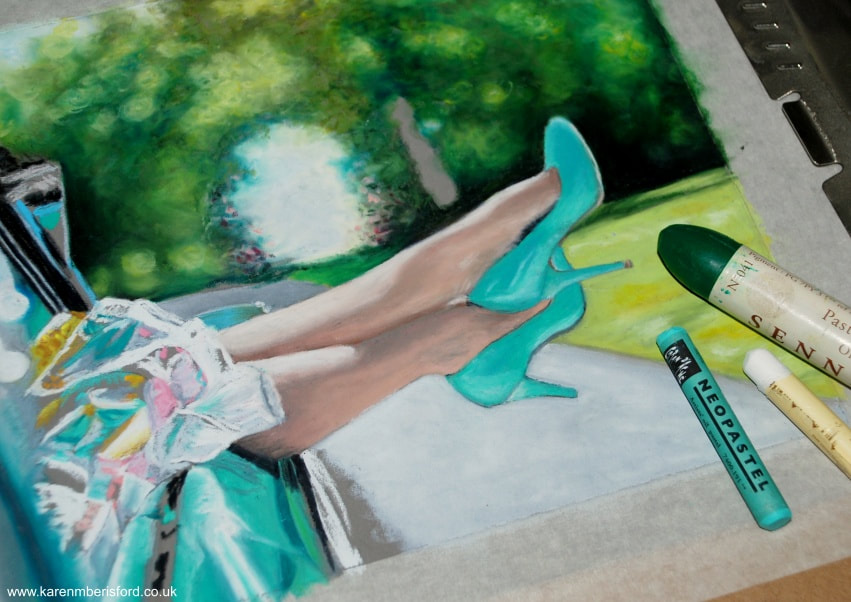
This particular painting is a personal favourite. It captures that feeling of a long, lazy summer day, with the driver casually dangling her legs out of the car window. The flash of turquoise from her stilettos is a brilliant touch, adding a vibrant detail that sets off the car's colour and contributes to the overall nostalgic feel. Read on to find out more about this piece and the inspiration behind it!
When I began this piece, my intention was to evoke a sense of serenity and positivity. The sunny setting envelops the scene in a golden glow, bathing everything in warmth that is almost tangible; you can feel the sunshine radiating just by gazing at the image. The stiletto heels, elegant and striking, combined with the charming 1950s dress, transport me back in time, conjuring memories of a carefree era filled with joy and simplicity. As someone who grew up in the vibrant 1980s, the mint green high heels hold a special place in my heart, reminding me of a beloved pair from my youth. They add a delightful touch to the overall composition, creating a nostalgic yet fresh visual harmony.
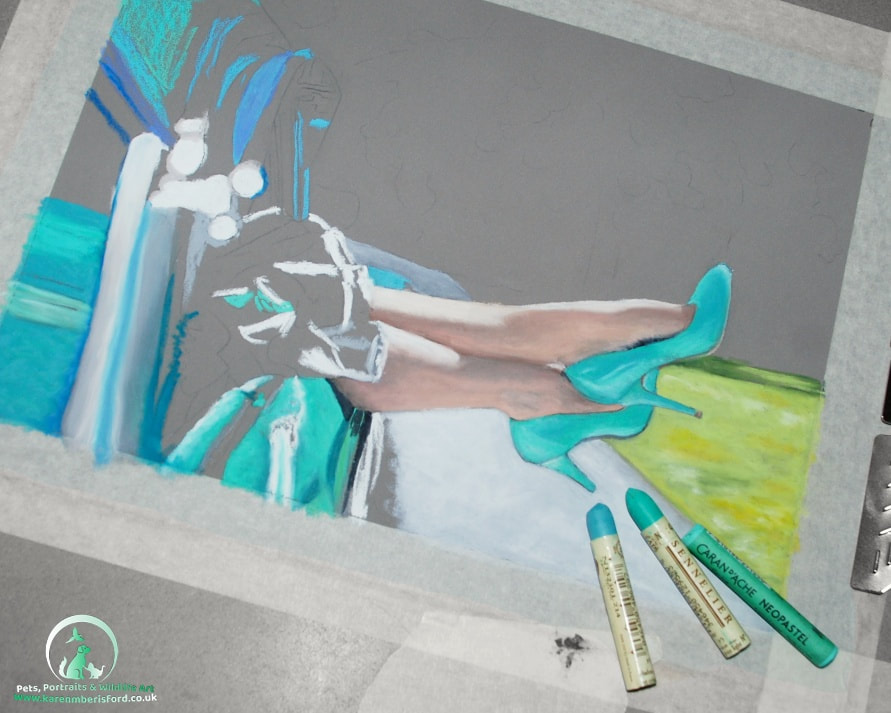
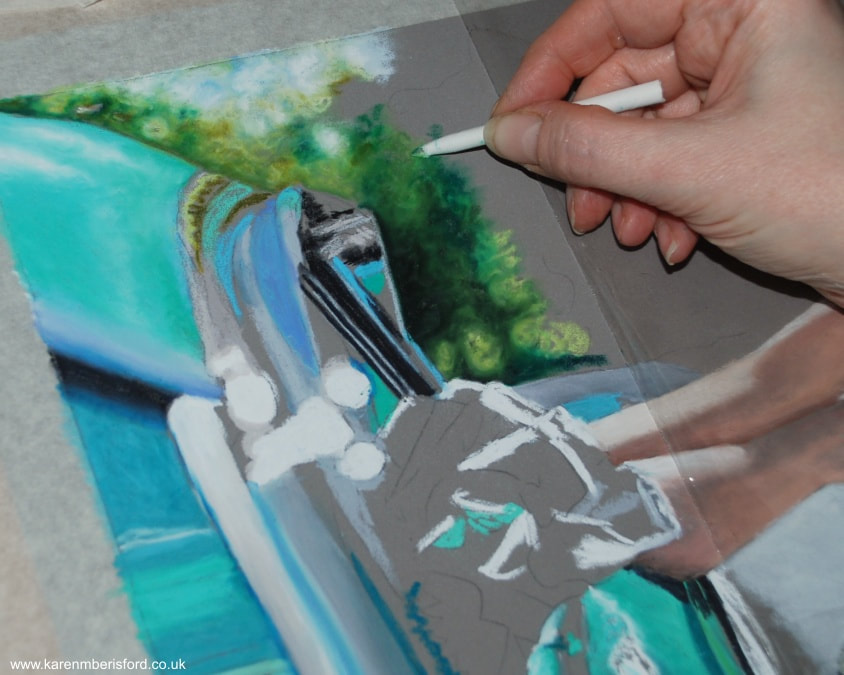
Crafting a Lasting PortraitMy portraits are created using only the finest professional-grade materials. I choose Sennelier oil pastels and Caran d'Ache Neopastels for their rich, vibrant colours that are known for their longevity and resistance to fading. The portrait is created on a dark grey Pastelmat paper, a unique surface with a velvety texture that holds the pigments securely, preventing any smudging. This ensures the artwork stays pristine for years to come. The dark grey tone is a deliberate choice; it provides a perfect background that makes every colour, from the brightest highlights to the deepest shadows, stand out with incredible depth.
It's important to be careful when working with oil pastel drawings since they are never fully dry. To prevent dust and debris from sticking to the pastel, I used a non-stick sheet to protect the surface as I worked. I also used blending tools to avoid unintentional colour transfer and applied the finer details gradually, which can be difficult when working with a soft medium like an oil pastel.
Oil pastels offer a fantastic opportunity for artistic expression. Their opaqueness allows for easy correction and the ability to add more colour as desired. Embracing the freedom to adapt and modify certain aspects of the image can create a captivating and thought-provoking piece. For instance, the open arch symbolises a journey, sparking the imagination to ponder what lies beyond.
This portrait is available to purchase unframed, but as with all my portraits, it will be well-packaged to prevent any damage or dirt. I highly recommend taking it to a trusted framer for secure mounting and framing. Every painting I create includes a certificate of authenticity and aftercare instructions.
I’ve just completed an oil pastel portrait of our black Labrador, Haze, which gave me the chance to explore a medium that has become one of my favourites. Alongside my long-standing work with coloured pencils and acrylics, I’ve come to value oil pastels for their versatility. They allow me to build rich layers of colour with a real sense of energy, while also refining them into subtle marks that bring out texture and detail. This balance between strength and delicacy makes oil pastels an ideal medium for capturing the individuality of a subject. Here I share the stages of creating an oil pastel portrait, from materials and techniques to protection during the process and the finishing touch of framing. It offers an insight for those thinking about commissioning a pet portrait in this medium. My latest oil pastel portrait is of our much-loved black Labrador, Haze. I had always admired this photograph of him, knowing it would make a strong composition. As my first pet portrait in this medium, I was especially curious to see how oil pastels would handle the challenge of black fur, which is notoriously difficult to capture. To my delight, their blendability made the task easier than expected and allowed me to portray Haze’s silky coat with real depth and softness. Through Haze’s portrait, you’ll see how an oil pastel painting grows, from early foundations to the final frame. For my oil pastel portraits, I rely on a combination of professional-grade materials and carefully chosen surfaces. I usually work on either Ampersand Pastelbord, a rigid archival board that is simply framed with protective glass, or Clairfontaine Pastelmat, a high-quality paper designed to be mounted and framed in a more traditional style. For the pastels themselves, I favour leading brands such as Sennelier and Caran d’Ache. This is where an oil pastel portrait begins. The first priority is always the eyes, as their placement establishes the likeness and sets the character of the subject. Once that anchor point is in place, using the soft Sennelier oil pastels, I apply a loose base of pigment to block in the main shapes, highlights, and values. Sennelier’s soft pastels are renowned for their rich pigmentation and smooth application, perfect for layering vibrant tones and building the depth needed in fur or skin. At this stage the work looks rough and unfinished, but these early marks are essential for building structure. The background is generally left untouched until the foundational layers of the subject are established, providing a framework on which the rest of the portrait can grow. At this stage the portrait begins to take on a more defined appearance. With the base layers established, I use the firmer Neopastels to introduce finer details, which help to define the contours of the face and body. These marks lay the groundwork for the next step, careful blending with paper stumps, which allows me to create the texture of fur, smooth out the background and sharpen the details that bring realism to the portrait. The combination of controlled pastel application and blending ensures the portrait develops depth, balance, and character. I use a variety of blending tools, but I find that paper stumps and the smaller tortillions offer an effective and inexpensive way to soften oil pastels. I simply wipe the tips clean as I work so they can be reused, and if they become too worn or dirty they are easily replaced. More recently I’ve also introduced silicone-tipped tools, which are especially useful for creating very fine lines when blended with care. Here is the portrait so far, with Haze keeping a watchful eye. At this stage I’ve begun to build up the background, which is now giving the piece a greater sense of depth and setting the subject more firmly within the scene. It's useful to start with a darker base layer for the background, as this provides contrast and makes the brighter tones stand out more vividly. In this case, the rich greens of the grass begin to glow against the darker foundation, adding both atmosphere and three-dimensionality to the portrait. Framing and protecting oil pastel artworks require a bit of extra care, as the medium never fully dries. I always store my finished pieces in a safe, dust-free spot until they’re ready to be framed. When it comes to framing, I recommend using glass to shield the painting from dust, pet hair, or other debris that could stick to the surface. Without glass, attempting to clean the artwork risks smudging or damaging it. When commissioning a portrait, I always provide the customer with an after-care guide, which can also be shared with your framer to ensure the piece is presented and protected in the best possible way. A key detail in framing oil pastels on Ampersand Pastelbord, is including a spacer between the artwork and the glass. This thin strip creates a small gap to prevent the pastel from sticking to the glass, which could otherwise cause permanent damage. The spacer is discreet, barely noticeable unless you’re inspecting the frame up close, and it ensures the artwork stays pristine. For Haze’s portrait, I chose acrylic glass for its durability and lower risk of shattering compared to traditional glass. It’s a practical choice that doesn’t compromise on clarity, making it ideal for showcasing the rich textures of an oil pastel piece. For oil pastel paintings created on Pastelmat, a spacer is unnecessary because the mount serves as a protective barrier between the artwork and the glass. Oil pastels are a wonderful medium for creating heartfelt, striking portraits that truly reflect the character of your subject. Whether it’s a pet, a loved one or a cherished memory, I welcome the chance to create a portrait in oil pastels that feels both personal and lasting. If you’re interested in commissioning a portrait or would simply like to find out more about the process, please don’t hesitate to get in touch. I’m always happy to answer questions and to create something personal and meaningful. |
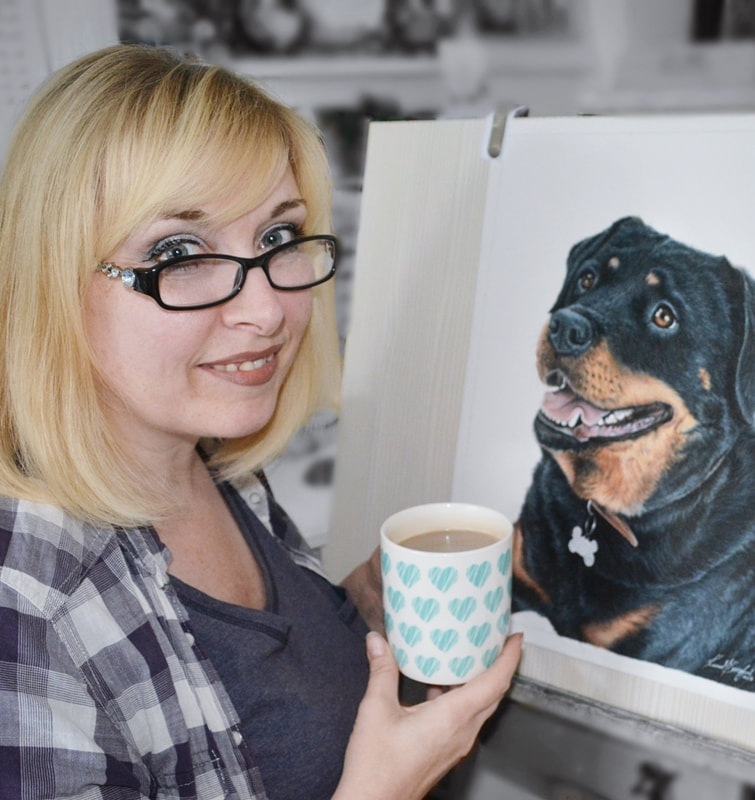
AuthorKaren M Berisford Choose tags below to search the news blog directory, or quickly find each blog through the News Blog Archives page.
Categories
All
Archives
July 2025
|
|
|
Looking for something specific?
|
|
|
Images and text within this website are Copyright of Karen M Berisford 2010 - 2025
No content should be used, copied or distributed in any way without express consent from Karen M Berisford


