|
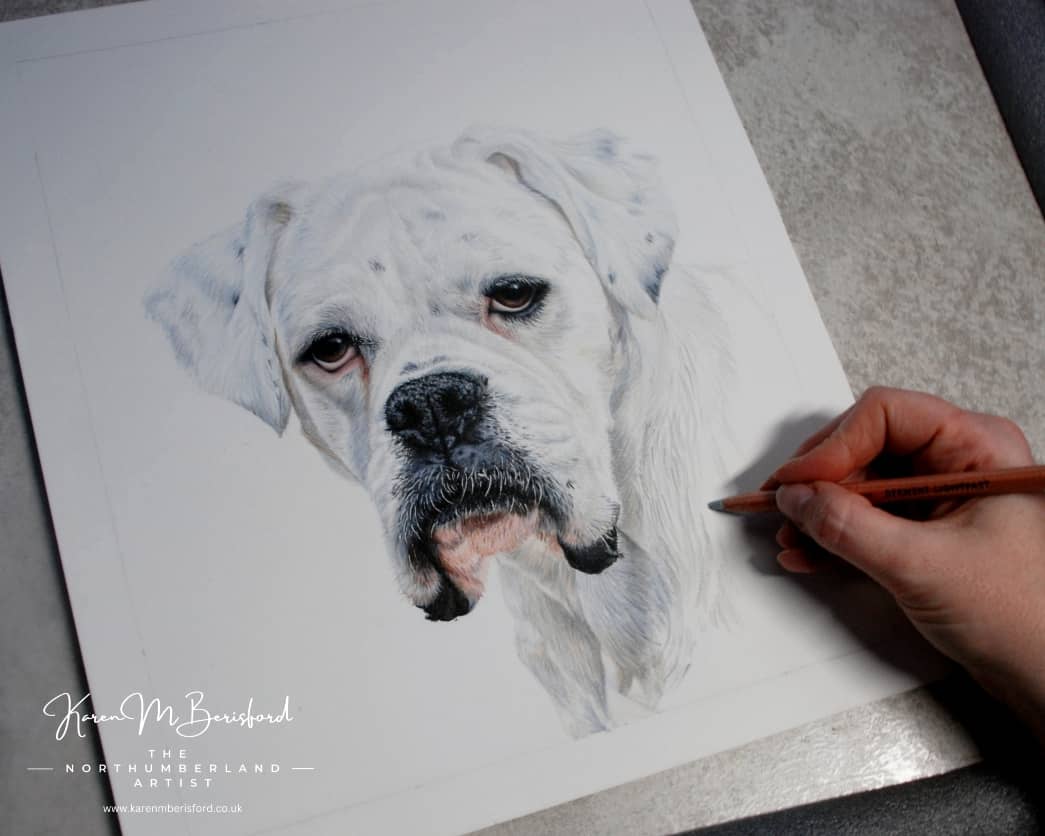
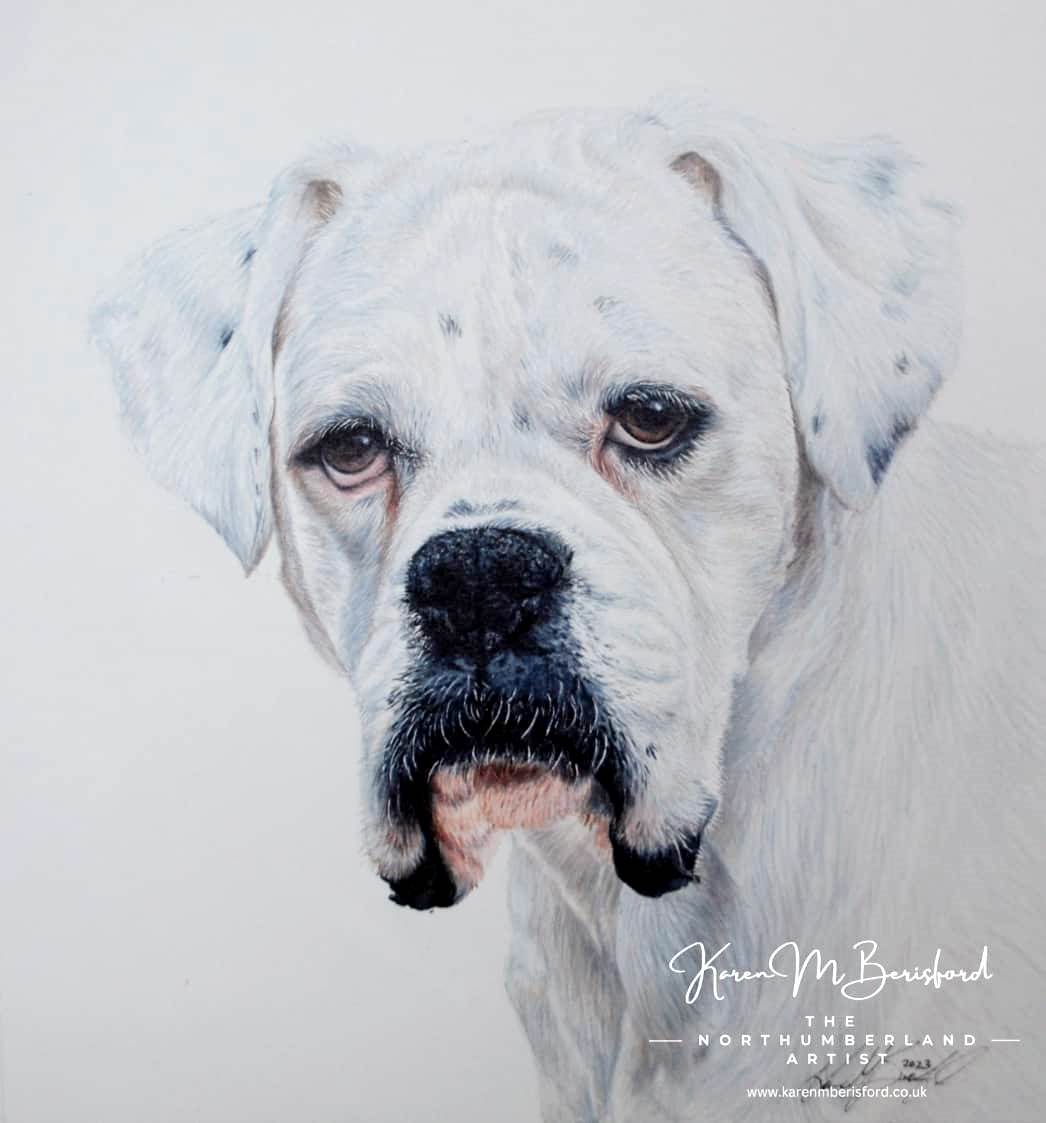
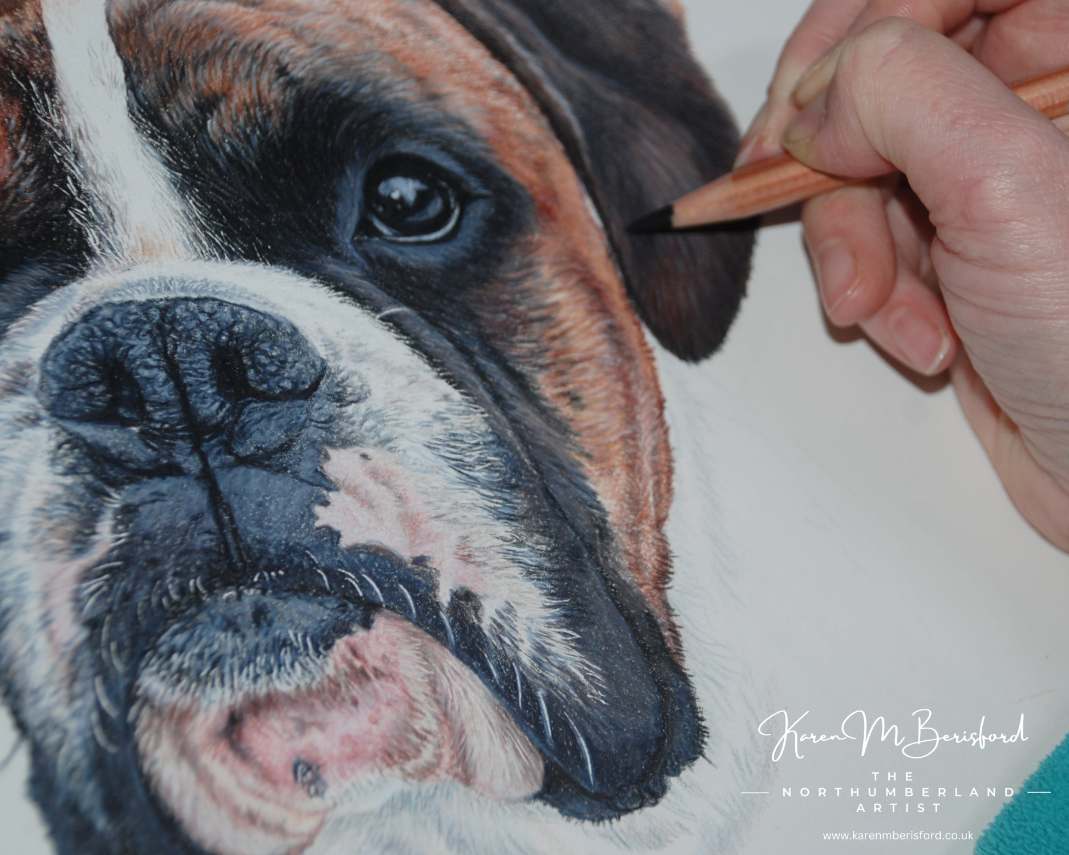
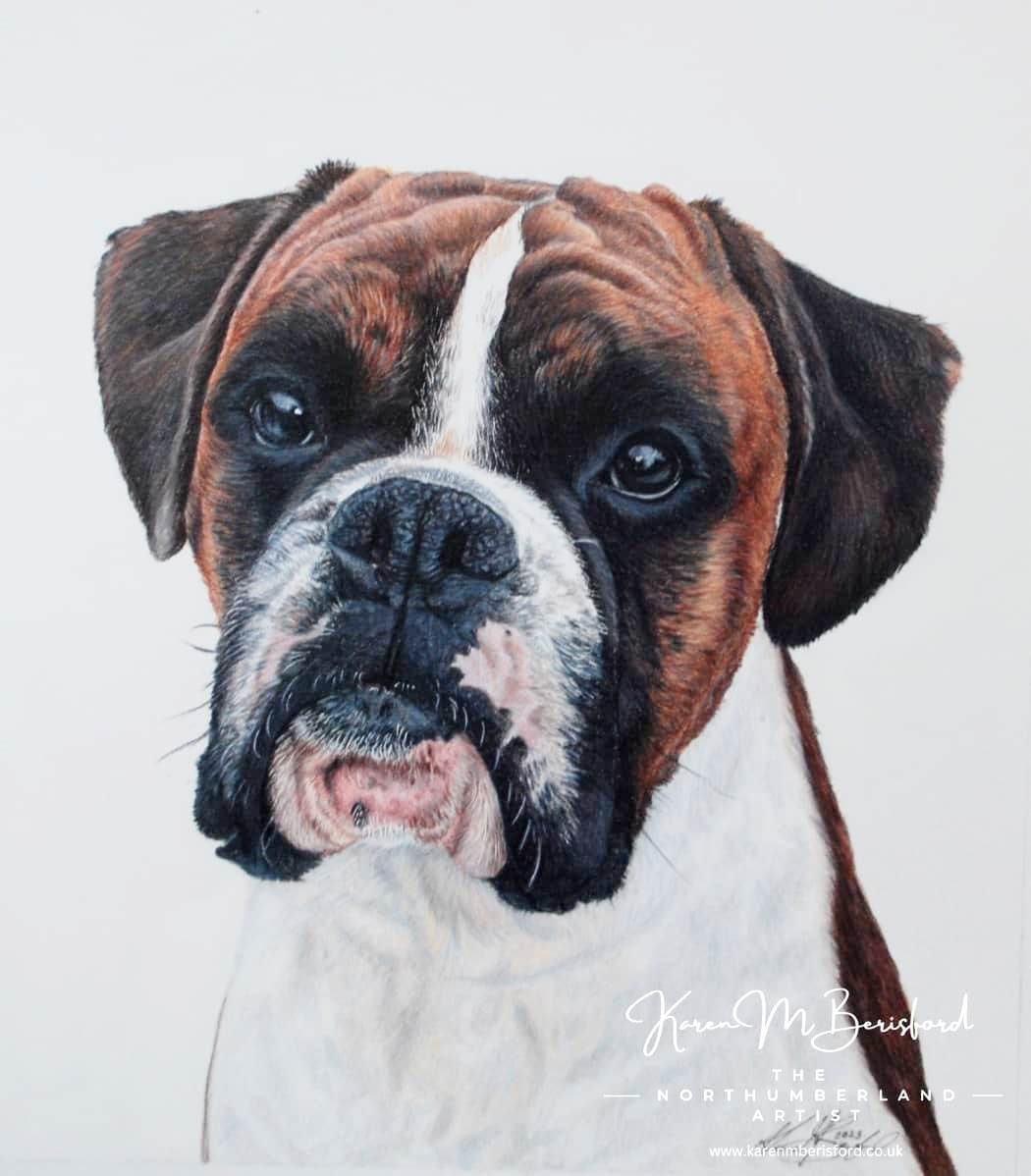
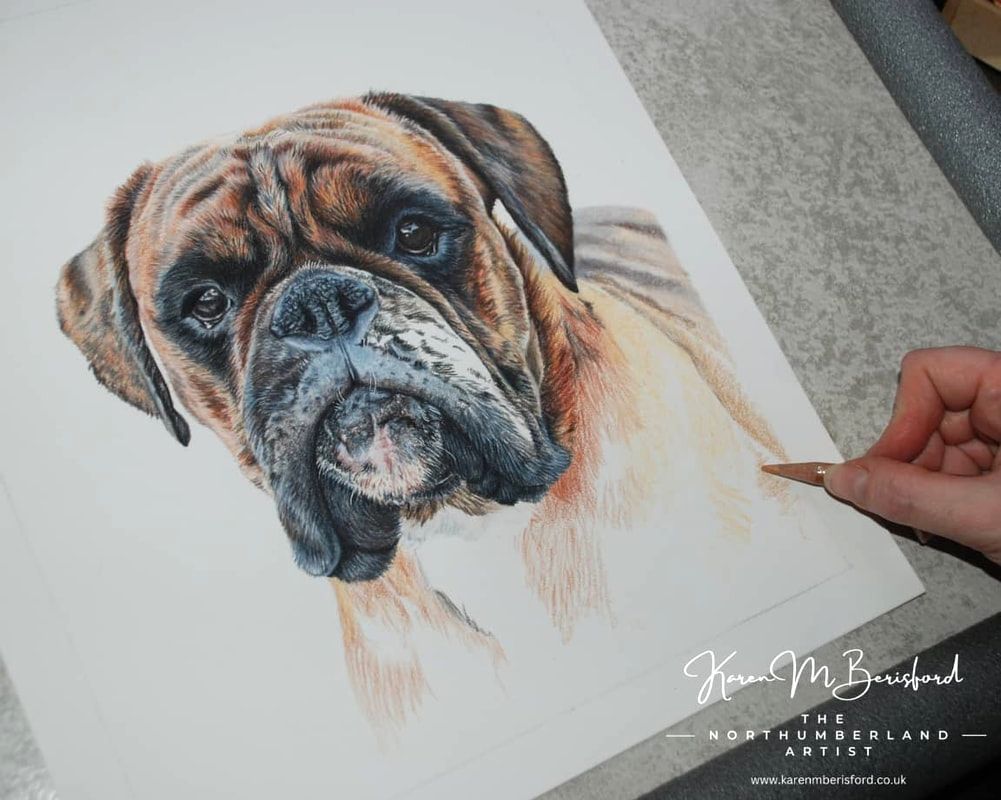
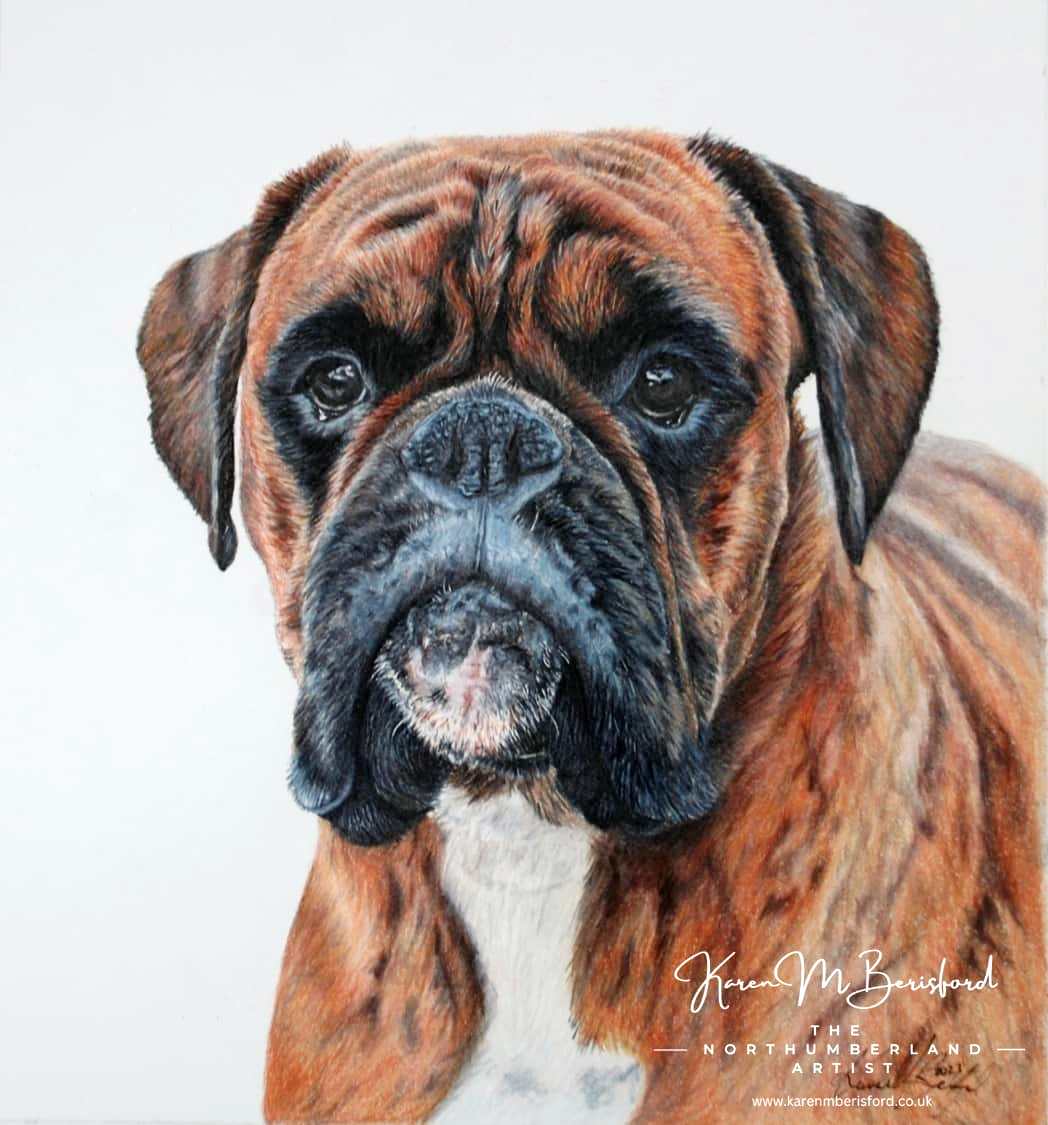
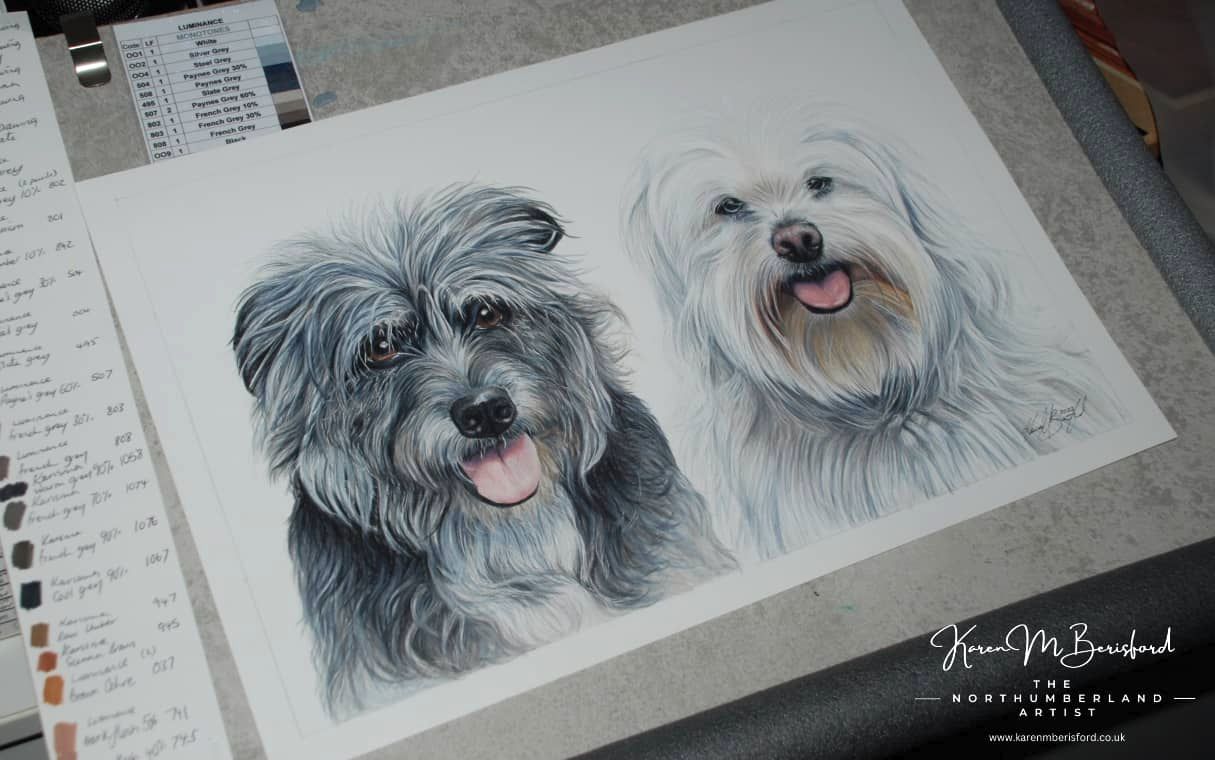
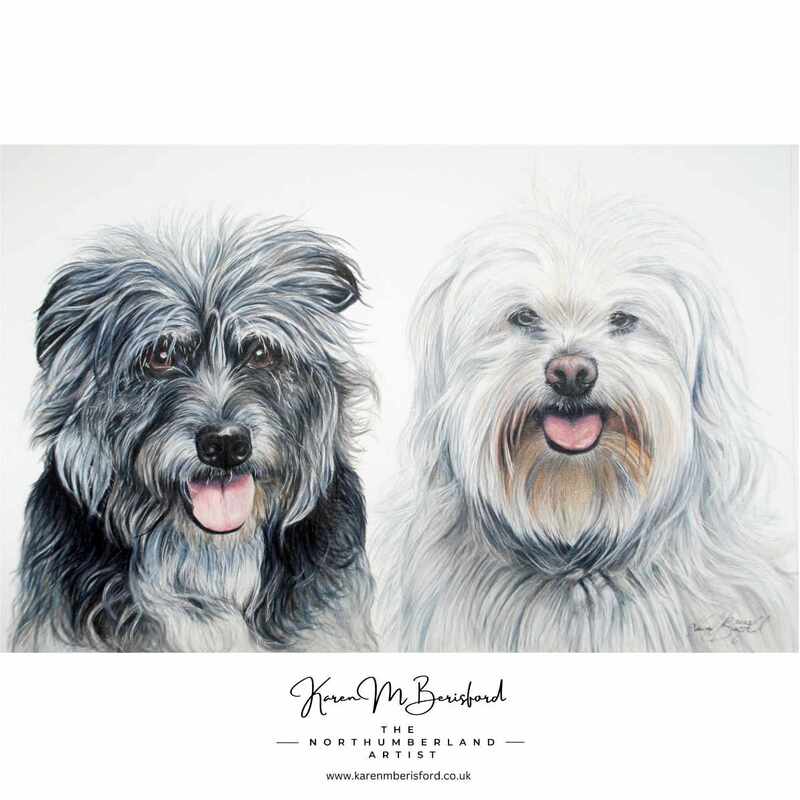
In October 2023, my friend Jet asked me to create four coloured pencil portraits. One portrait was intended as a gift for Jet's friend, another for her mother, and the other two were portraits of her beloved Boxer dogs. I have known Jet for over three decades, and during this time, I have had the pleasure of creating pencil portraits of her dogs on several occasions. Here are all four portraits displayed with additional information about each individual. You can access a link below each image to learn more. CarrotCreating a drawing of a white dog on white paper may seem challenging at first, but it's quite easy. Since white fur is composed of shades of grey, white paper provides the perfect base for such a portrait. Drawing this particular portrait of a white boxer dog required a bit of creative problem-solving regarding the body. Still, I was able to use a different dog's body to complete the portrait. If you're interested in learning more about this portrait, you can click on the link below. WatsonThe reference photo for the portrait depicted Watson wearing a thick blue collar. However, the photo was cropped short, leaving little of his body visible. Additional images were required, particularly in a similar pose, to complete the body and ensure accuracy. I also used some artistic license too. If you want to learn more about this portrait, please follow the link below. FungusJet's reference photo of Fungus was ideal. The image was a large, high-resolution file with incredible detailing that remained sharp even when zooming in. Taken outdoors, it had a perfect balance of light thanks to natural daylight, which is always the best option for pet photos. The collar, which was present in the photo but not included in the drawing, covered the throat area. To ensure accuracy, I referenced a second image of Fungus. Also, the chest area was not fully visible in the photo, so I had to extend it to complete the image. Click the link below to read more. This video shows the three drawings side by side. There is no sound. Kudu (Left) and MasudaCreating this drawing was difficult, especially Kudu, the little grey dog. In the reference image, Kudu was wearing a harness that covered most of his body, so much of the details were missing. To ensure precision, I had to use other reference photos. Ordinarily, I may research a breed before embarking on such a challenging drawing. However, in this case, both dogs were mixed breeds, which made it even more difficult. Despite this, my friend was aware of the difficulties involved and graciously accepted that the final result may not be an accurate representation. THE PROBLEMS WITH REMOVING COLLARSAll the dogs in the photos wore either a collar or a harness, which were removed in the drawing as per Jet's request. Fortunately, Jet provided me with a collection of photos of each dog to make the process relatively easy. The photos were incredibly helpful as they provided me with a clear view of the intricate details that were obscured by the collars in the reference photos. However, there may be instances where the removal of collars, especially harnesses, is a difficult task, especially if they hide crucial details. In such a scenario, removing them can only be considered if additional photographs are made available. If you're interested in a custom coloured pencil portrait of your pet, a loved one, or any other subject, you can visit my commissions page or send me an email at: [email protected] to share your ideas for the portrait.
0 Comments
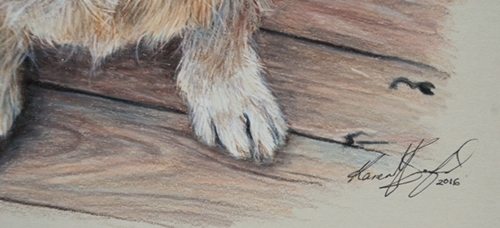
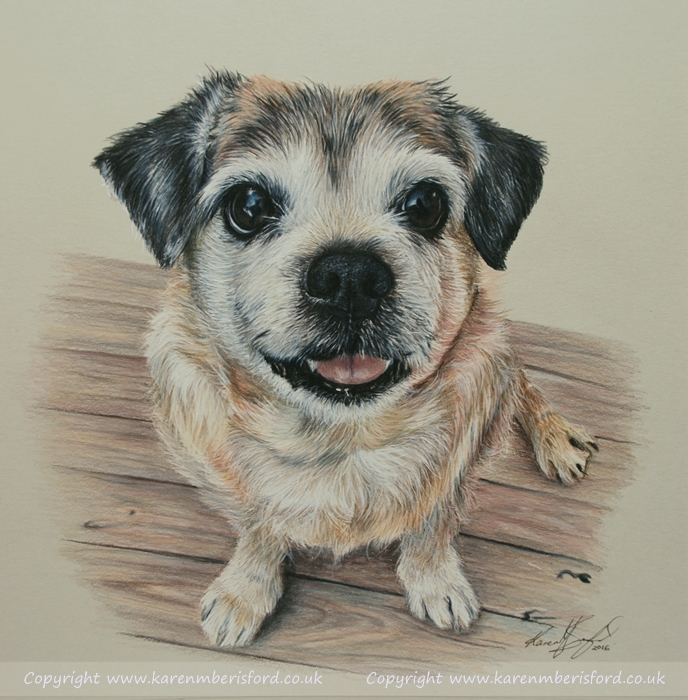
Last year (2017), I started receiving Christmas orders as early as September, which kept me busy throughout the season. From mid-October onwards, I worked 10-12 hours a day, creating a schedule list for each day to ensure that all the portraits were completed on time. Some orders were from overseas, and I had to make sure that any frames ordered were received well in advance as framers tend to be very busy during the festive season. My goal was to finish all the orders a week before I travelled to my hometown of Chesterfield, but I worked late into the night before my journey. Fortunately, everything went smoothly, and the person who commissioned it met me at the train station in Chesterfield to collect the portrait of Star the Chow Chow. The painting had travelled with me for six hours on a bus, coach, and train inside my suitcase. The lady who commissioned the painting gave me a lovely bunch of flowers. I was delighted to see the recipients' positive comments on Christmas day after receiving their beloved pets' portrait. Click on any of the images to visit the progress pages. I've completed all the Christmas commissions and took a well-deserved break to recharge. Now, I'm back in the studio, creating new articles and planning exciting art workshops for 2018 on my Step by Step Art website. There are numerous tasks to accomplish behind the scenes. If you're interested in booking a personalized commission or are an artist searching for helpful articles, mini-tutorials, and a chance to attend a 1-day art workshop with me, click on the links below to visit my website. Here's hoping 2018 is a wonderful year for you! Karen Bailey - 10" x 12" Coloured pencil pet portraitBailey is the second portrait completed in Coloured pencils for his Mum after heartbreakingly losing both Bailey and Casey (the first portrait) in close succession of each other and was gifted both portraits by a good friend. Bailey was originally sat on a green stripey rug but I thought it would suit the portraits if they were both sat on the same wooden
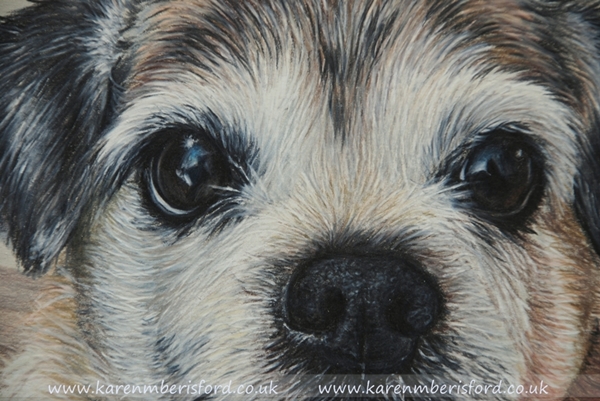
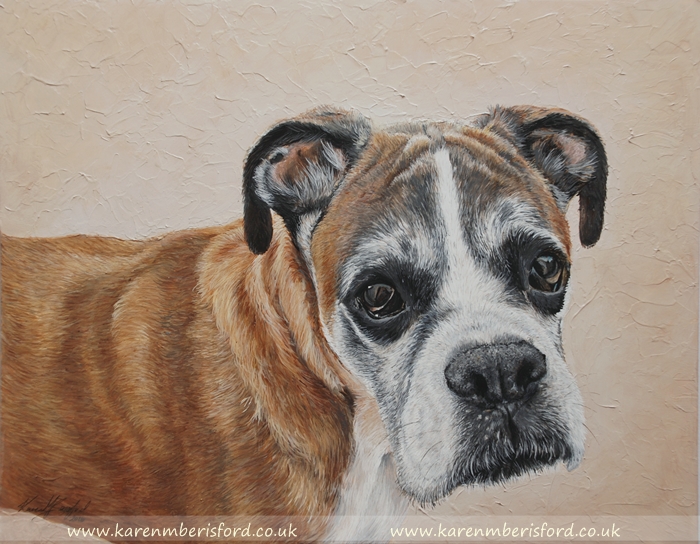
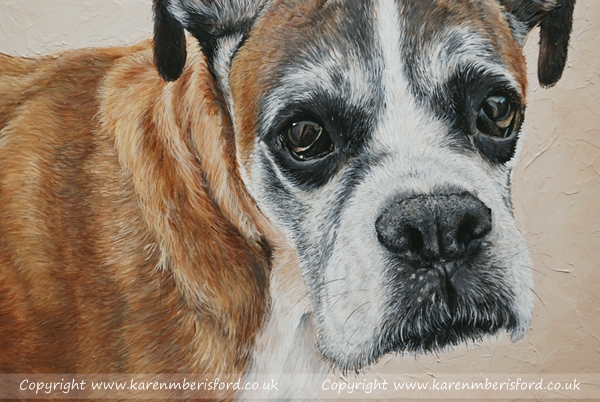
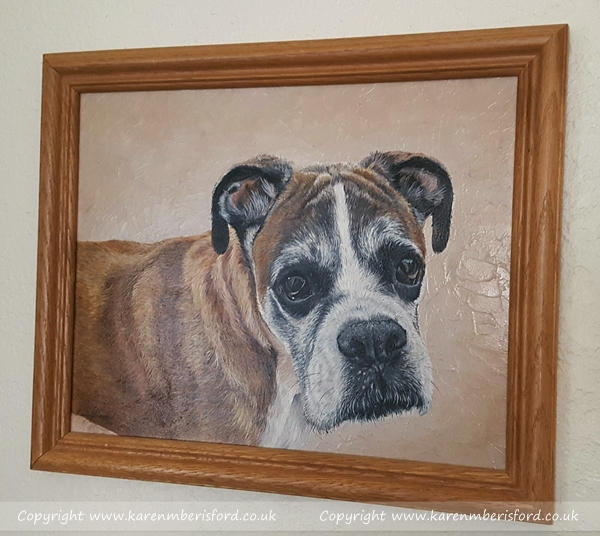
This portrait depicts Bailey, a Jack Russell/Pug mix, rendered in coloured pencils for a repeat customer. The initial drawing I created for them featured their beloved Jack Russell, Casey, who had sadly passed away. Tragically, a few months later, Bailey also passed, following his companion. The portrait of Bailey has been modified to include the floorboards featured in Casey's portrait, ensuring visual continuity and balance. Originally, Bailey was seated on a green striped rug, but changes can be readily made upon customer request. To view Bailey's portrait and the other pencil drawings created for this client, please click the link below. " Bailey just arrived! Well, about 15 minutes of tape removal ago. We are so chuffed! Bailey was loved by all of us, but loves my husband best, he was over the moon! We are blessed by your talent! Obe - 11" x 14" Boxer Dog Acrylic paintingI was asked to create an acrylic painting of a Boxer dog called Obie, as a surprise gift from friends online to a lady in the USA. The reference photo was a beautiful pose and of great quality, so I was able to gather lots of detail to be able to create this special memorial painting of him.
My acrylic paintings are created using a mixture of vibrant colour and sometimes I will include a medium or two, which provides texture. The background texture was created with moulding paste and applied with a palette knife. Nearly 40 Facebook friends clubbed together to book this surprise portrait, and it was lovely to hear how happy the recipient was upon receiving such a thoughtful gift from great friends! 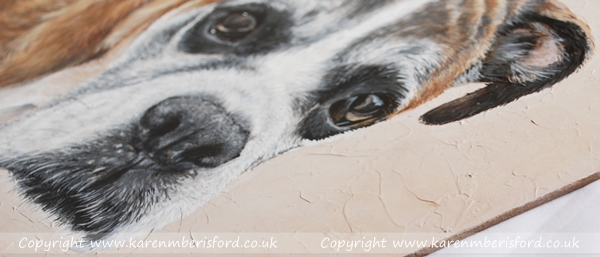 |
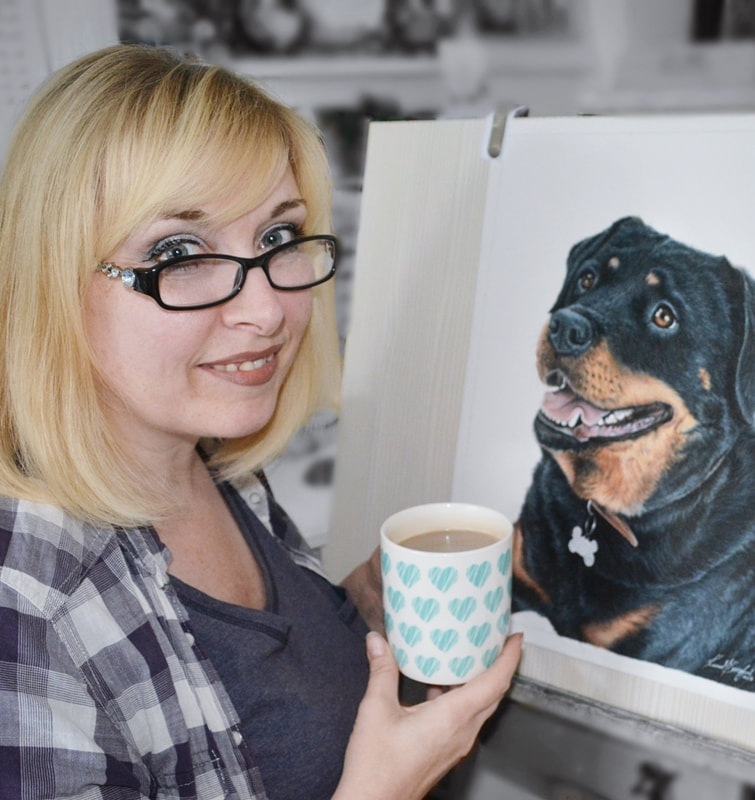
AuthorKaren M Berisford Select tags below to search the news blog directory.


Review us on FreeIndex
Categories
All
Archives
July 2024
|
|
Vertical Divider
|
- Art Store
Original Art & Prints - Custom made Portraits - Gift Vouchers - The Art Hub (For Artists) 
My Etsy Store
Vertical Divider
|
- Art Gallery
- Pet Portraits Gallery - Acrylic Paintings - Oil Pastel Paintings - Framing Info. - Coloured Pencil Portraits Videos from the Studio - Art in Progress Vertical Divider
|
|
Images and text within this website are Copyright of Karen M Berisford 2010 - 2024
No content should be used, copied or distributed in any way without express consent from Karen M Berisford
No content should be used, copied or distributed in any way without express consent from Karen M Berisford